A variety of nuts to choose from at will, a guide to fastener selection suitable for all scenarios
Multi-Type Nuts for Your Selection
I. Standard General-Purpose Nuts: The Backbone of Industrial Connections
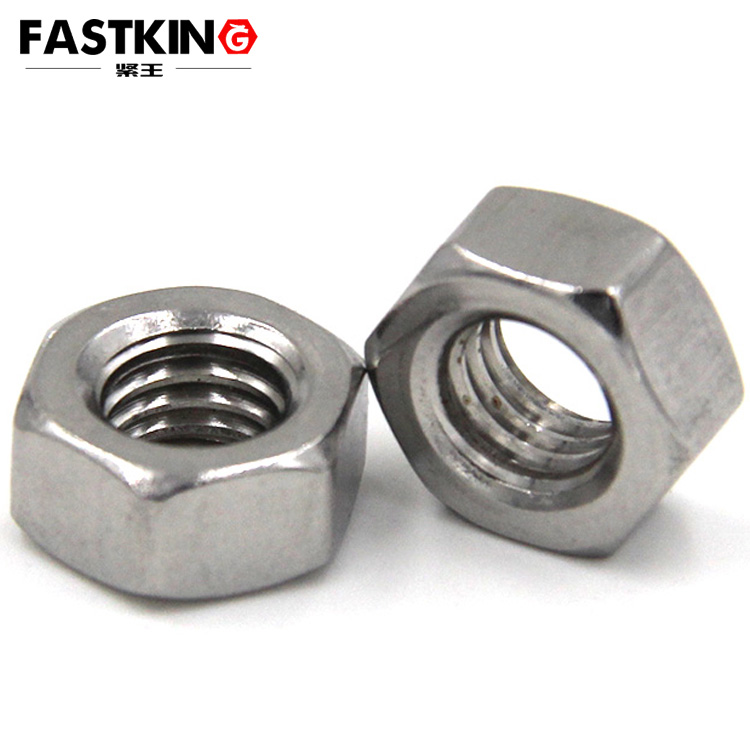
Standard nuts are the most widely used basic fasteners. With their mature structure, high compatibility and cost efficiency, they are the top choice for mechanical assembly, construction, equipment maintenance and other applications. The main types include:
Flange Nuts
Feature an integrated flange at the bottom, eliminating the need for extra washers. They increase contact area, distribute pressure, and the serrated flange enhances anti-loosening and anti-slip performance. With better vibration resistance than ordinary nuts, they are commonly used in thin-plate connections such as automobile chassis, motor housings and sheet metal frames, improving both installation efficiency and stability.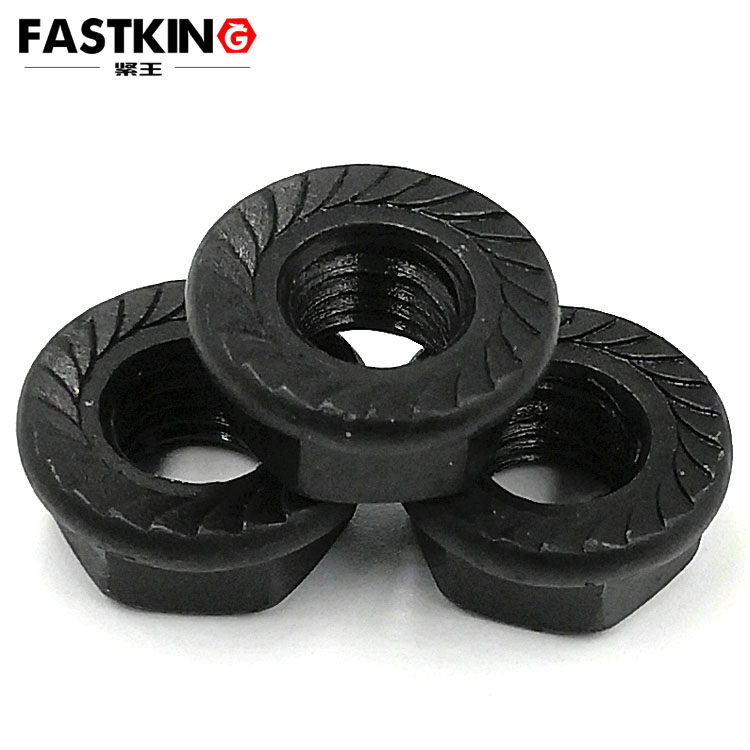
II. Lock Nuts: Reliable Assurance for Vibration-Prone Environments
In environments with vibration, variable loads and impacts, ordinary nuts tend to loosen and cause safety hazards. Lock nuts achieve long-term fastening through structural optimization, making them critical components for precision equipment and transportation.
Nylon Insert Lock Nuts
Built with a nylon ring inside. When tightened, the ring tightly grips the threads to create friction for effective locking, and can be reused 5–10 times. Vibration and shock resistant, they are widely used in automobiles, rail transit, aerospace and electronic equipment, covering M3–M12 sizes with tool-free convenient installation.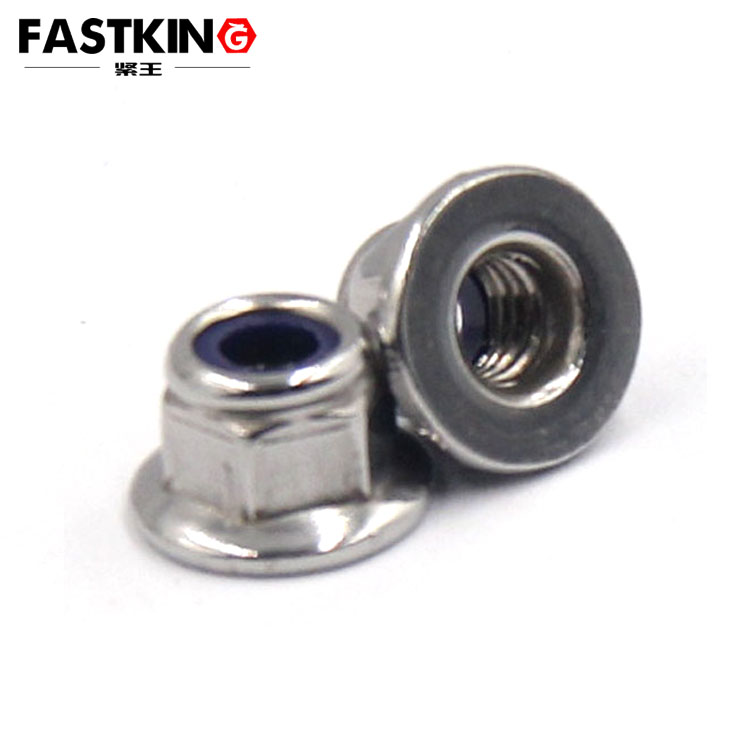
Metal Lock Nuts
Achieve locking through metal elasticity via local indentation, slotted deformation and other structural designs. High temperature and aging resistant, they adapt to harsher conditions than nylon lock nuts. Often used in engines, heavy machinery and high-temperature equipment, they offer high strength and reliability under long-term vibration and extreme temperatures.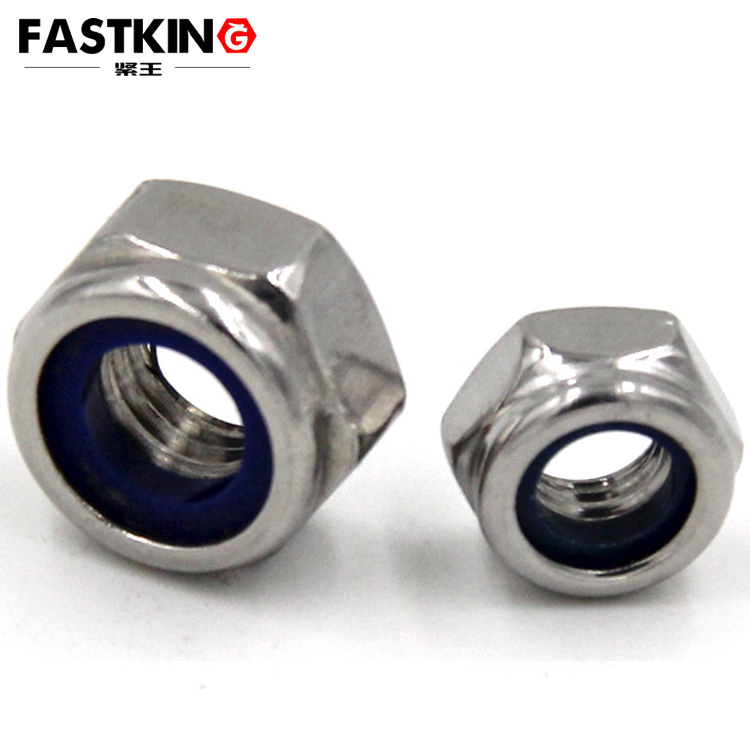
Slotted Nuts with Cotter Pins
Hex nuts with slots on top. A cotter pin is inserted after assembly for mechanical locking, ensuring dependable and permanent anti-loosening. Ideal for heavy vibration and variable load applications such as cranes, mining machinery and marine engines, they are a classic locking combination for extreme heavy-duty scenarios.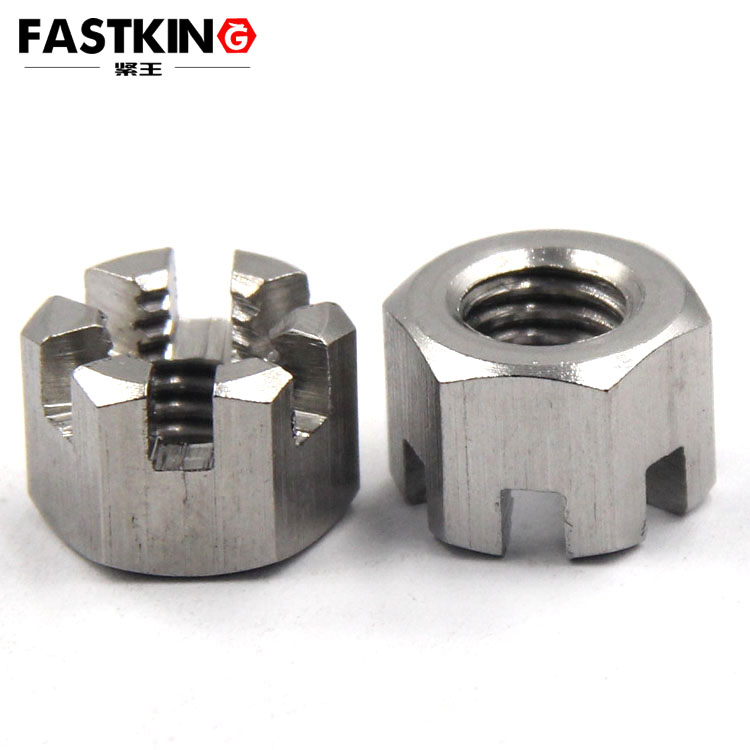
III. Rivet Nuts: The Optimal Solution for Precision Thin-Plate Connections
Rivet nuts (self-clinching nuts) were developed to solve problems such as thread stripping and welding deformation when directly tapping thin metal plates (0.5mm–6mm). They form strong connections via press-fitting, serving as core fasteners in electronics, communications and home appliances.
Core Principle
One end is equipped with knurled teeth and guide grooves. When pressed into a pre-drilled sheet metal hole, the knurled teeth embed into the material, causing peripheral plastic deformation that locks into the grooves. The installed nut sits flush on the back of the plate for a clean appearance and high strength.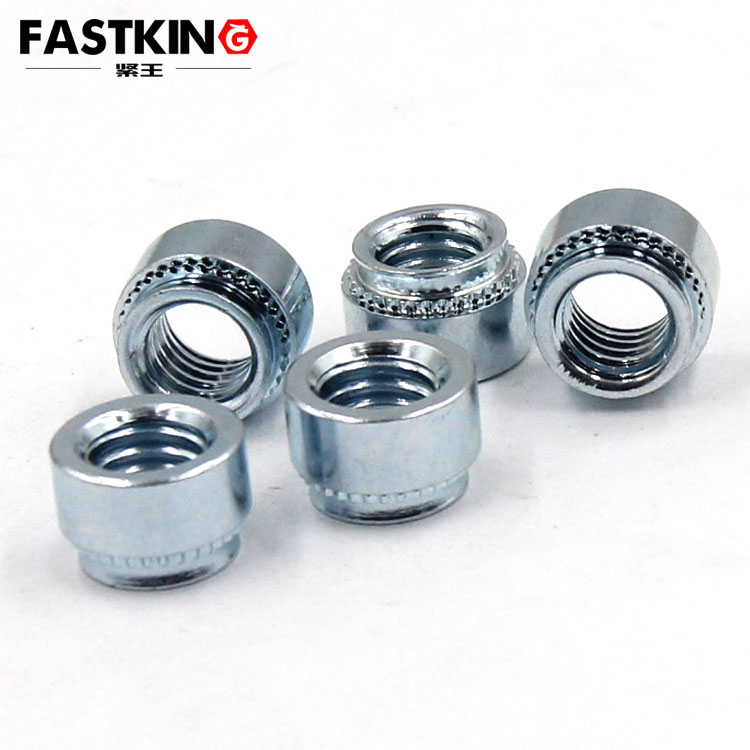
Main Types
-
Round Rivet Nuts (S/CLS Type)
The most common standard model. Carbon steel S-type and stainless steel CLS-type fit 0.8mm–2.0mm thin plates, offering high torque and push-out resistance for chassis, communication equipment and electronic panels.
-
Hexagonal Rivet Nuts
Hexagonal shape prevents rotation during installation, ideal for applications requiring stable torque such as automotive electronics and precision instruments.
-
Countersunk Rivet Nuts
Feature a 120° tapered head for flush mounting without protrusions, suitable for high-end panels in aviation and premium equipment with strict appearance requirements.
Materials and Specifications
Available in carbon steel, stainless steel and aluminum alloy, with sizes from M2 to M12. Selection must match plate thickness (e.g., code 0 for 0.8–1.0mm plates). Installation only requires manual or pneumatic riveting tools for one-step, high-efficiency forming.
IV. Special-Function Nuts: Customized Choices for Unique Applications
Beyond general, locking and rivet types, various special nuts serve convenient disassembly, limited space, modular assembly and other specific needs.
Wing Nuts
With wing-like lugs on both sides, they can be tightened and removed by hand without tools. Suitable for frequent disassembly in light-load scenarios such as furniture, instrument covers and temporary fixtures.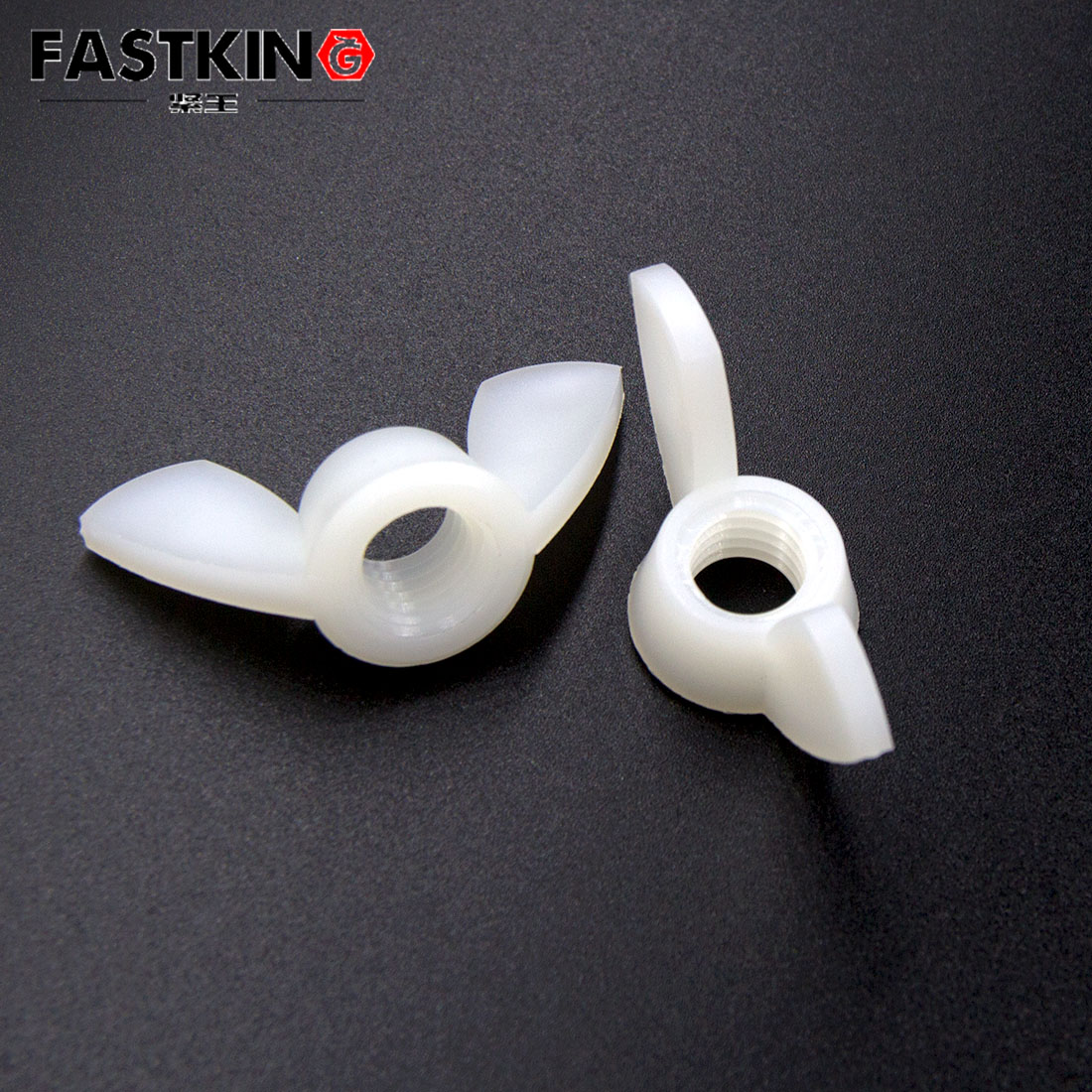
T-Slot Nuts
Designed for profile channels, they slide into slots and lock securely. Ideal for aluminum profiles, modular workstations and linear guides, they allow accurate positioning and easy assembly without moving profiles, serving as standard parts for industrial aluminum systems.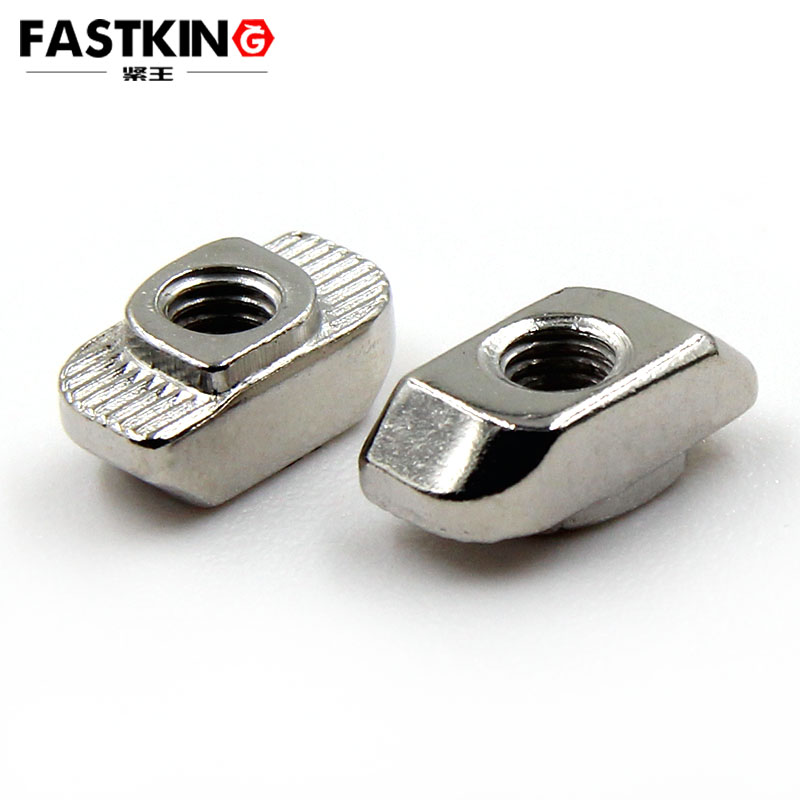
Acorn Nuts
Closed at the top to cover exposed threads, protecting against water, rust and physical scratches while improving appearance. Used in decoration, furniture and outdoor equipment.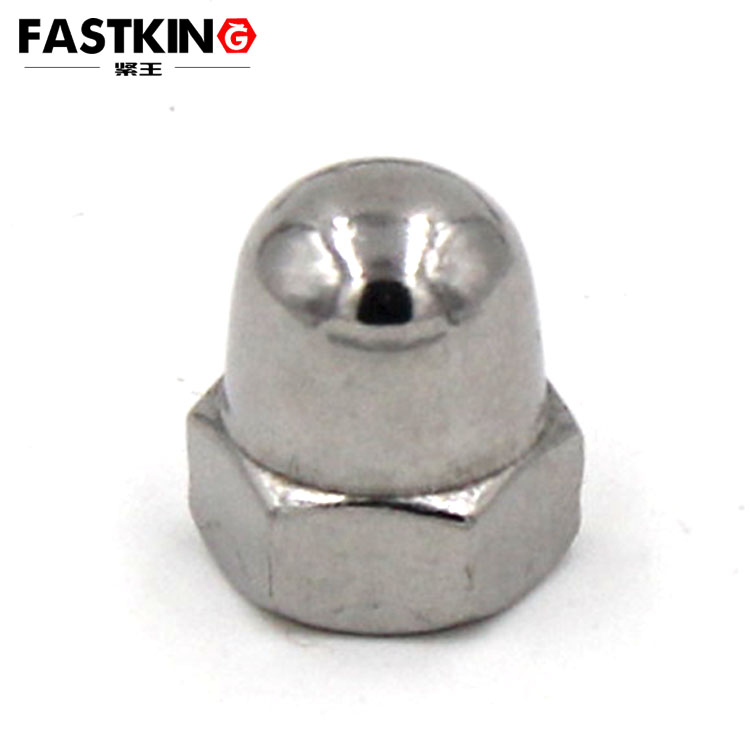
Coupling Nuts
Long cylindrical structure used to connect two threaded rods or extend thread length, with adjustable connection distance for mechanical transmission, support structures and length-adjustable devices.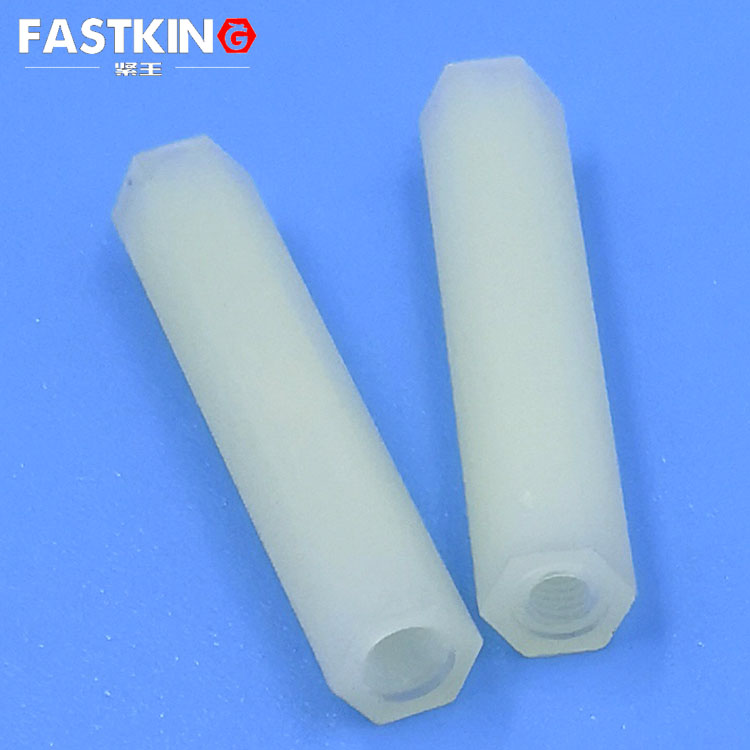
V. Key Nut Selection Guidelines: Matching Scenario, Performance and Specification
-
By Base Material
Prefer rivet nuts for thin plates (≤2mm); thick hex or flange nuts for thick plates and heavy loads; nylon or aluminum alloy rivet nuts for plastics and aluminum.
-
By Environmental Requirements
Nylon/metal lock nuts for vibration; 304/316 stainless steel for outdoor or corrosive environments; metal lock nuts for high temperatures.
-
By Installation Conditions
Thin or small hex nuts for limited space; wing nuts for hand operation; T-slot nuts for modular assembly; countersunk rivet nuts for flush surfaces.
-
By Specification and Precision
Metric threads (M3/M4/M5) are mainstream and must match bolt sizes. Rivet nuts require strict code selection by plate thickness for secure clinching.
From general hex to precision rivet nuts, locking types to special convenient models, a diverse nut system provides full-scenario connection solutions. The core of selection is to match base material, environment and installation needs. Proper selection improves assembly efficiency and ensures long-term connection stability and safety, making nuts indispensable in industrial manufacturing and daily assembly.
